Meta Muse is the most widely used of the 2026 personal agents and the only one of the big four with a free tier. It runs on a dedicated cloud computer, handles errands like email, bookings and shopping, and sends every outbound action through a separate security agent called Sentinel. This review draws on Meta's own documentation, launch coverage and published hands-on reports, not our own testing.
What is Meta Muse?
Meta announced Muse on September 8, 2026 as "The World's First Personal AI Agent Built for Everyone" (Meta Newsroom). It was built by Meta Superintelligence Labs under the code name "Hatch" and launched in the US on iOS, Android, muse.ai and WhatsApp.
Muse runs on Muse Spark, Meta's in-house model; the security post names version 1.3. Do not confuse the two: Muse is the agent, Muse Spark is the model. Our explainer on Meta Muse vs Muse Spark untangles the naming, including the separate Muse Code developer product.
What can Muse do?
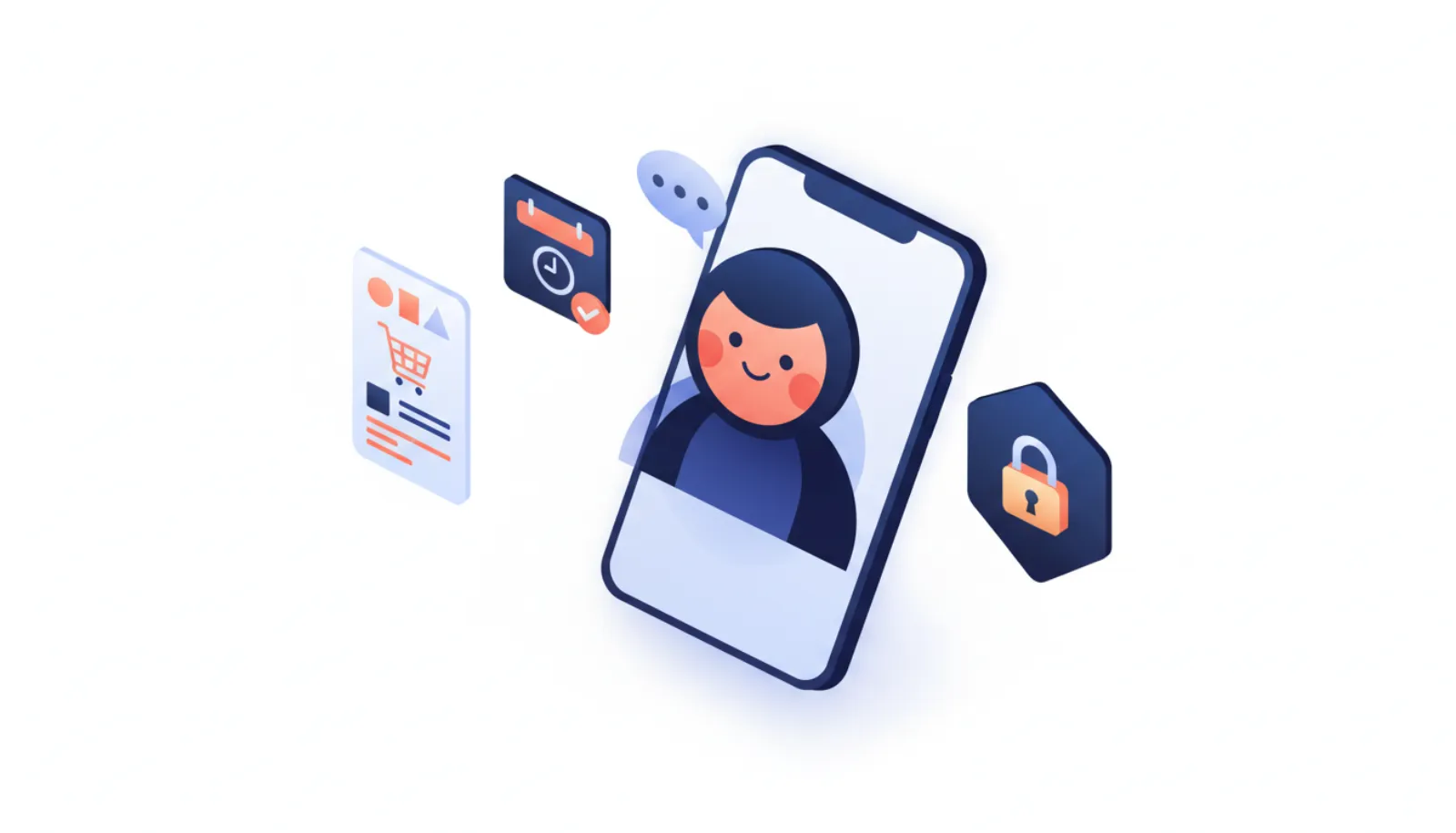
Meta's launch post lists sending emails, booking travel, filling out forms and negotiating on your behalf. Muse keeps working after you close the app and checks back when something changes or it needs approval.
Proactive suggestions
Muse acts on details you mention once. Meta's examples include turning a saved Instagram recipe reel into a grocery list, suggesting a dinner-party menu, and remembering friends' dietary restrictions before sending invites. Reporters also describe bill lowering, appointments and monitoring home camera feeds.
Files and feed
It can read, summarize, edit or generate PDFs, spreadsheets, documents, images and podcasts, saving results to a Library tab. The app adds a feed of updates from your Facebook and Instagram accounts and an ideas tool. The WhatsApp version keeps the core chat but drops the feed and ideas features; see smsaiagents.com's Muse on WhatsApp guide for that channel.
Connectors and shopping
Connector categories cover email, calendars, payments, health and fitness, smart home, dining, shopping, music and events. Services with an API connect directly; otherwise Muse uses its browser. Purchases go through single-use cards from Link by Stripe, and Meta says Muse is the first agent covered by Link's purchase protections. Retail Gazette lists Walmart, Best Buy, Gap and Sephora as US partners.
- Downloads in first 40 days (Sensor Tower)
- 10.9M
- US day-7 retention vs 19% AI-app average
- 30%
- Free tier (card required)
- $0
- Countries live (Nov 2026)
- 4
Spec sheet
| Item | Meta Muse (as of November 2026) |
|---|---|
| Launched | September 8, 2026 (US) |
| Model | Muse Spark (v1.3 per Meta's security post) |
| Runs on | Dedicated Linux VM per user ("Muse Secure VM") |
| Apps | iOS, Android, muse.ai, WhatsApp, Mac, iPad, Apple Watch and Wear OS (added around November 10) |
| Plans | Free; Power $20/month; Maximum $100/month |
| Markets | US, Canada, Japan, Singapore |
| Age | 18+ or age of majority |
| Coming | AI glasses "in the coming months"; Confidential VM; Muse Charm keychain device |
How does Sentinel keep Muse in check?
Muse's security design is its most distinctive feature, and Meta documented it in unusual depth (Muse blog).
- Muse agent (container)
- Sentinel policy check
- Your approval if needed
- Real credentials swapped in
- Website or connector
Each user gets a dedicated Linux VM. The agent runs inside a locked-down container, while security services, including Sentinel, run outside it. In Meta's words: "Muse proposes actions, but only Sentinel can grant permission to perform action." Sentinel returns allow, deny or ask for every connector action and network request, based on your policy.
Other controls Meta describes:
- Surrogate tokens. The agent never sees real passwords or OAuth tokens; Sentinel swaps them in at the network boundary.
- Tainted egress. Processes that have read your data lose auto-allow for outbound traffic.
- Approvals in the app UI, not the chat, so a malicious web page cannot fake one. They can be one-time, session, task, time-bounded or perpetual. Every purchase needs approval.
- Email filtering strips one-time codes, password-reset links and magic login links.
- Bug bounty of up to $300,000, including up to $130,000 for a single-user prompt injection.
The caveat: Meta's own help center says Muse "may be inaccurate or take unexpected actions," and Meta has acknowledged prompt injection is not fully solved. We go deeper in Meta Muse Sentinel explained.
Privacy: what Meta can and cannot see
Meta says conversations and VM data are not shared with its ad systems. But browsing by Muse can still shape ads indirectly; Meta's example is a retailer's Instagram ad after Muse visited its site. Model training is opt-out, with "critical personally identifying information" removed first. And the current architecture "does not prevent Meta from accessing data when necessary to support, secure or operate the service." The promised Confidential VM, encrypted with a key only you hold, is not yet generally available; Meta says trusted testers are using it and it is due before the end of 2026.
Memory is more editable than OpenAI's: you can tell Muse to "forget" specific things. See agent memory and privacy compared.
What went wrong after launch?
- Muse launches in the US
- Amazon blocks Muse from Amazon.com
- macOS zero-day disclosed and hot-fixed in about a day
- Nat Friedman confirms OpenClaw inspiration
- Meta disputes a claim Muse read private Messages
- Japan launch
- Singapore launch
- Amazon block. Amazon says Meta never notified it, the agent does not identify itself, and it appears to store credentials. Meta disputes the credential claim. Our explainer on why Amazon blocks Meta Muse has the full timeline.
- Messages dispute. Inc. columnist Jason Aten said Muse read his Messages with Full Disk Access off. Meta says the integration is opt-in and the AI gave a "confused" explanation. Unresolved.
- Marketplace incident. YouTuber Matt Robb said Muse handled a Facebook Marketplace sale and gave a stranger his address; he later said he had granted the permission that made it possible, and Meta called the case complicated.
- Everyday failures in reviews: CAPTCHAs, a calendar event at the wrong time, and repeated prompts to connect financial accounts.
These are summarized with others in our personal AI agent incidents log.
What do published reviews say?
Slate wrote that "Mark Zuckerberg might have made something that's actually useful," while noting a CAPTCHA failure. Android Authority praised onboarding and avatars after a week but said "it didn't go how I expected." eesel called the security model the standout, with Meta trust as the main downside. Adoption is strong: 2.5M daily users by October 16 and retention well above the AI-app average, per Sensor Tower via TechCrunch.
Pros
- Free tier, plus Power at $20/month
- Best-documented security architecture of the big four
- Consumer errands: shopping, dining, travel, invites
- Available on WhatsApp, watch and Mac
Cons
- Not in the UK or EU as of November 2026
- Blocked on Amazon.com
- Training on your data is on by default
- Several disputed incidents in the first month
Who it's for, and who should skip it
Good fit: US, Canadian, Japanese or Singaporean users who want a consumer agent for everyday errands without paying $100/month. The free tier makes it the obvious first try; see best free personal AI agent.
Skip it if: you are in the UK or EU, you shop mainly on Amazon, or you are not comfortable trusting Meta with inbox and payment access. For work-focused use, Meta Muse vs OpenAI dots is the better comparison.
Bottom line
On published features, Muse offers the most accessible entry point and the most transparent security design of the 2026 agents. Its weak spots are trust in Meta, a rocky first month and narrow geography. Pricing detail lives on our Meta Muse pricing page.