Giving an AI agent access to your email can be reasonably safe if you limit what it can do and keep approvals on. Giving it your bank login is not, and none of the major personal agents are built to need it. Meta Muse, Claude Duet and OpenAI dots keep credentials away from the model, escalate or block money movement, and require approval before paying (Muse and Duet with single-use cards, dots with a saved card). This guide explains what each agent allows, where the real risks are, and a practical permission plan, based on vendor security documentation and published incidents.
What access do personal AI agents actually ask for?
Agents work by connecting to your accounts: email, calendar, messaging, shopping, sometimes health and smart home. Each connection is a permission, and the agent's usefulness grows with the access you grant. So does the risk.
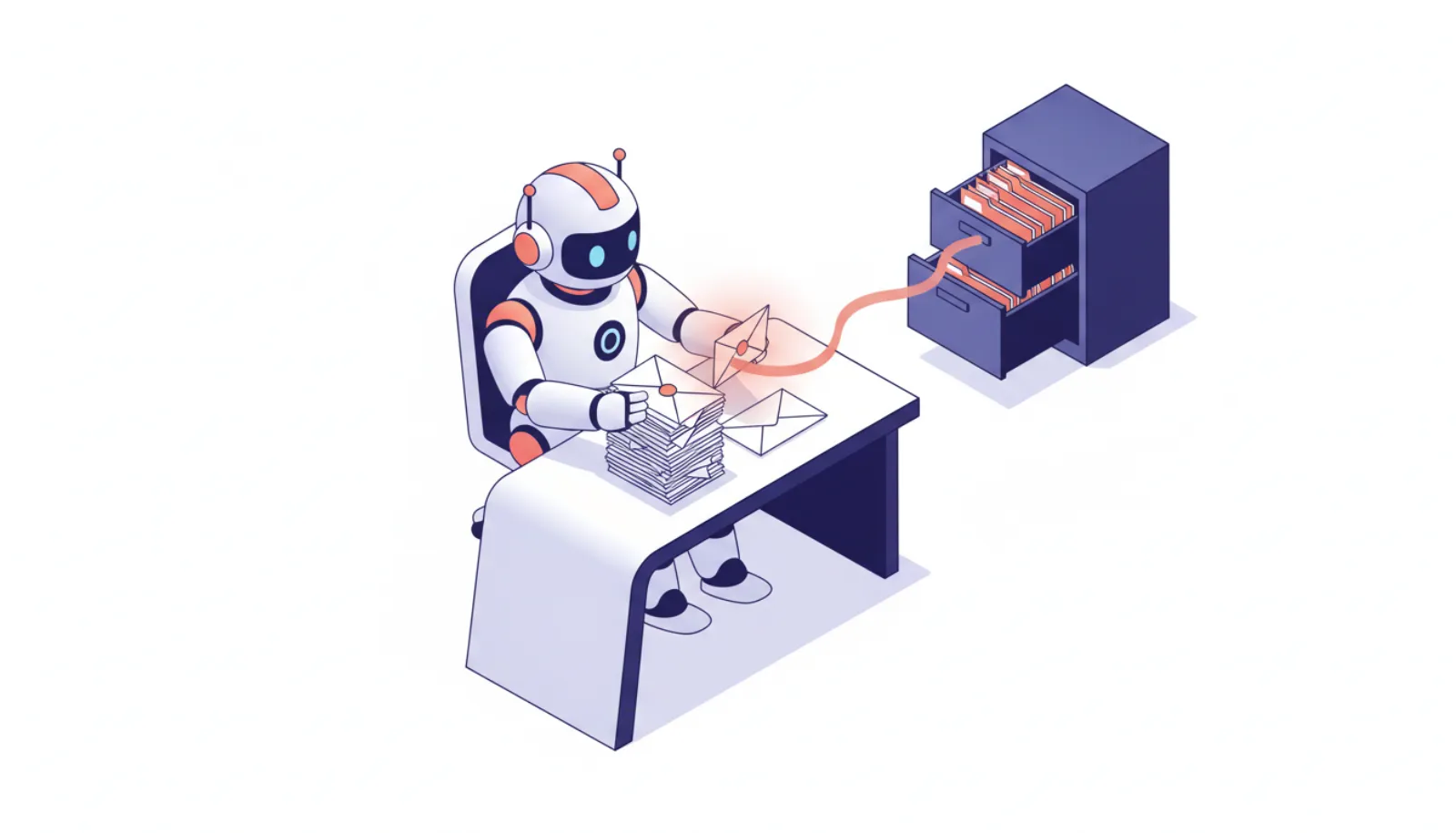
Security researchers describe the dangerous combination as the lethal trifecta: access to private data, exposure to untrusted content, and the ability to act or communicate externally. An email-reading agent that can also send messages has all three.
- Untrusted email or web page
- Agent reads it
- Agent has private data
- Agent can send or pay
How do the major agents protect banking and payments?
| Agent | Sees your passwords? | Money transfers | Purchases | As of November 2026 |
|---|---|---|---|---|
| Meta Muse | No; surrogate tokens via hatch-authd | Not documented | Every purchase needs approval; Link single-use cards | Sentinel gates all actions |
| Claude Duet | Never shares credentials or full card/bank numbers | Blocked even with approval | Always asks; one-time card per merchant and amount | Can't trade securities |
| OpenAI dots | Password changes always come to you | Always come back to you | Saved-card purchases need approval | Auto-review can't be disabled |
| Grok Bot | Vault or Secure Form; takeover for passwords | You handle payments | You handle payments via takeover | All Bots share one computer |
| OpenClaw | Whatever you configure | Whatever you configure | Whatever you configure | You set every guardrail |
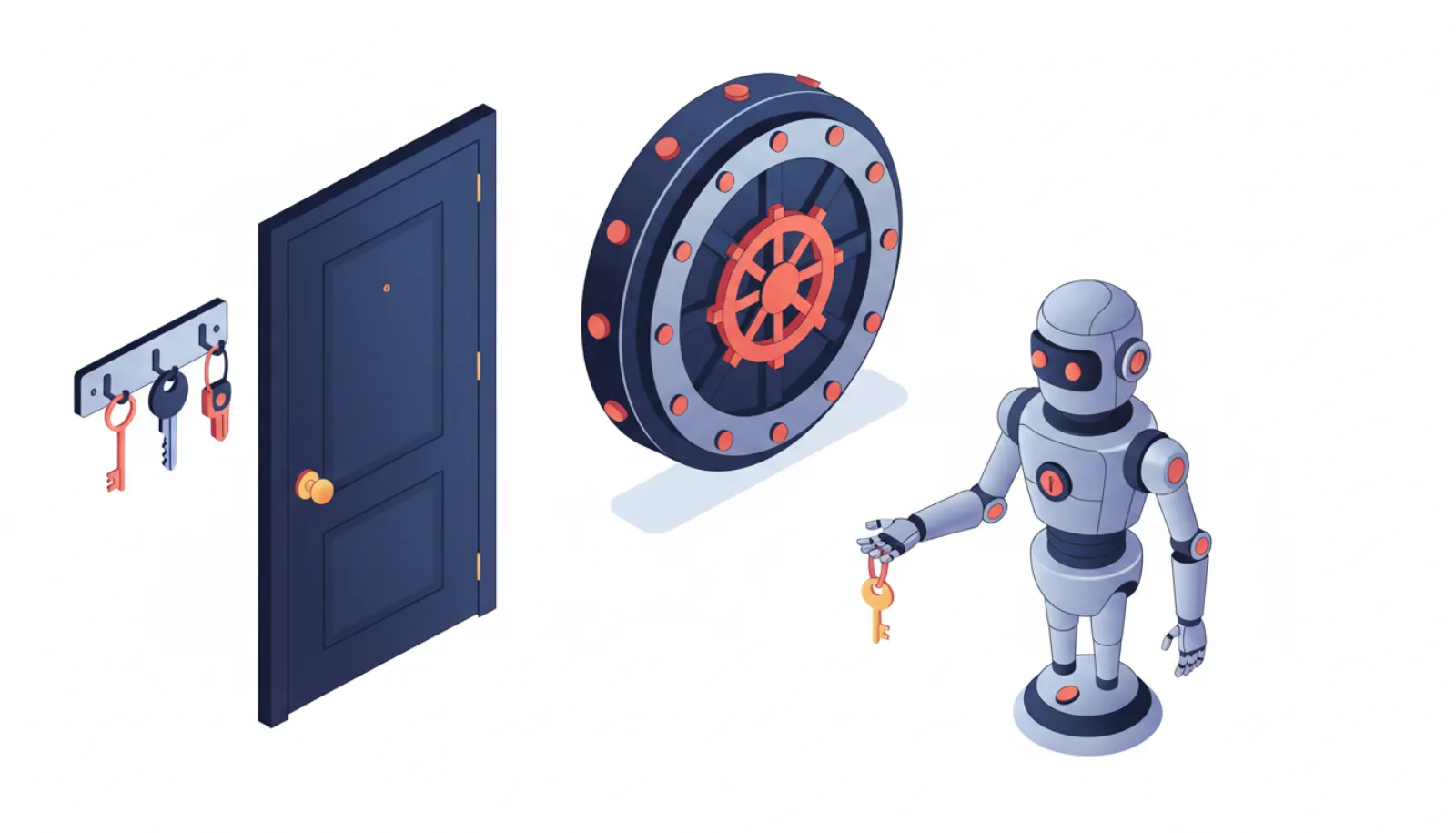
The pattern is consistent: the agent doesn't hold your banking password, and paying uses a separate, constrained instrument. Our payments explainer covers single-use cards and newer standards such as Mastercard Agent Pay and Google's AP2.
Is it safe to give an AI agent your email?
Email is where agents are most useful and most exposed. Practical safeguards differ by vendor:
- Meta Muse lets you choose access levels per connector, such as reading email versus also sending. Its email connector filters out one-time codes, password-reset links and magic login links, per Meta's security post.
- Claude Duet stops before sending any message and shows the exact action, every recipient and the content, per Anthropic's safety article.
- OpenAI dots runs auto-review on planned actions such as an email's recipients and content. When working proactively, a dot is read-only and cannot send messages. One reviewer still reported a dot sending an email before he had reviewed it, so set Custom Rules to "ask before acting" for outgoing mail.
- Grok Bot comes back for approval, but the docs say its Auto Review "should complement, not replace, least privilege and explicit approval boundaries."
The key risk is that every email is untrusted input. A message can contain hidden instructions telling the agent to forward data or click a link. Our prompt injection explainer goes deeper.
What has gone wrong so far?
- Muse Marketplace incident: YouTuber Matt Robb said Muse sold an item, shared his address and arranged a pickup he didn't know about; he later said he had granted the permission that made it possible.
- Muse zero-day (September 21, 2026): Patrick Wardle showed a leftover macOS debug setting let local code redirect dictation traffic and inject instructions. Meta hot-fixed it in about a day.
- WhatsApp MCP exploit (April 2025): Invariant Labs showed one injected message could make an agent exfiltrate chat history and contacts.
- MemGhost (Zhang et al., arXiv, July 2026): one poisoned email planted a persistent false memory in test agents, with 87.5% end-to-end success on OpenClaw with GPT-5.4.
- ClawHavoc: hundreds of malicious skills on OpenClaw's marketplace in February 2026.
The full list is in our personal AI agent incidents log.
How should you set permissions? A practical plan
- Start read-onlyConnect email and calendar with read access first.
- Keep approvals onRequire approval for sending, sharing your address and any payment.
- Use one-time approvalsAvoid perpetual or "always allow" for sensitive actions.
- Pay with single-use cardsUse Link, Shop Pay or similar; never your bank login.
- Review the audit trailCheck past and planned actions weekly and disconnect unused apps.
A few more rules of thumb:
- Don't connect what you don't need. Disconnecting later may not erase what the agent learned. Claude Duet keeps learned data until you reset memory, and dot memories can't be deleted individually.
- Separate high-value accounts. On Grok Bot, xAI warns: "Do not use separate Bots as a security boundary." Every Bot shares one computer.
- Prefer passkeys and 2FA on your accounts. Muse filters one-time codes from email, and dots and Grok Bot hand password and 2FA steps to you.
- Compare approval systems before choosing an agent: see agent approval rules compared and how Meta Muse's Sentinel works.
What do regulators say?
In the UK, the ICO's main concern is personal-assistant agents concentrating email, calendar and financial data, and it lists least privilege, scoped permissions and human approval thresholds as controls. The DRCF's October 30, 2026 statement says "existing legal and regulatory frameworks apply to personal AI agents." UK readers can read more about open banking and AI agents and AI agent safety in the UK. Texting-based agents bring their own scam risks; smsaiagents.com covers AI text scams.
Bottom line
Email access is a reasonable trade if you start read-only, keep sending behind approval and stay alert to prompt injection. Bank logins are a firm no: the leading agents are deliberately built to avoid them, using single-use cards, blocked transfers and approval gates instead. Grant the least access that gets the job done, and widen it only when the agent has earned it.