A personal AI agent is a stack of parts working together. A model decides what to do, a harness turns those decisions into actions, a computer (usually a dedicated cloud machine) runs the browser and files, connectors reach your accounts, memory keeps context across days, and a safety layer asks you before anything risky. The examples draw on how Meta Muse, OpenAI dots, Claude Duet, Grok Bot, Gemini Spark and OpenClaw are documented.
What happens when you give an agent a task?
- You set a goal
- Model plans steps
- Harness picks tools
- Connector or browser acts
- Safety check or approval
- Result and memory update
Say you ask an agent to "find the unpaid invoices from last month and draft reminders." The model breaks that into steps: search accounting software, match invoices to clients, write emails. The harness calls a connector to QuickBooks, reads the results, drafts the emails, and then hits an approval gate because sending email is a consequential action. You approve, it sends, and it remembers which clients were chased.
The parts of a personal AI agent
1. The model
The model is the reasoning engine. As of November 2026, Muse runs on Meta's Muse Spark, Claude Duet on Claude Opus 5.5, dots on GPT-6 Astra (with GPT-6.1 Terra added for parts of the work), and Gemini Spark launched on Gemini 3.5. Grok Bot picks models automatically and does not say which. OpenClaw lets you choose any model, including local ones. Most hosted agents offer no model picker.
2. The harness
The harness is the scaffolding around the model: instruction files, tool definitions and the loop that plans, acts, checks results and tries again. OpenClaw's harness uses a SOUL.md persona file; near-identical files found in Muse fuelled reports that Muse was modelled on OpenClaw. Gemini Spark uses Google's Antigravity harness.
3. The computer
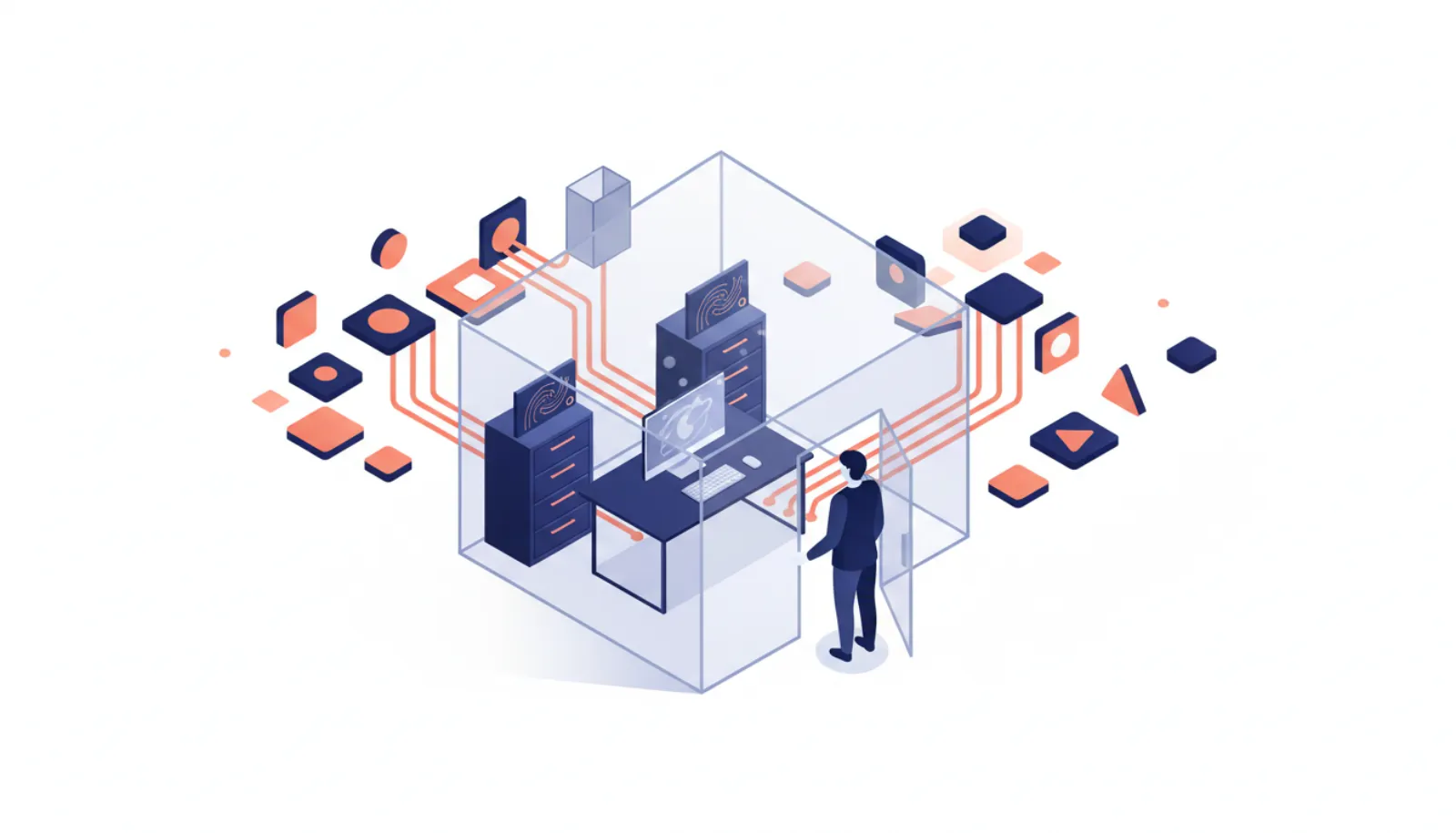
Most 2026 agents get their own cloud computer, a virtual machine with a browser, so they keep working when your devices are off and can use websites that have no API.
| Agent | Where it runs (as of November 2026) | Can you watch it? |
|---|---|---|
| Meta Muse | Dedicated Linux VM per user, agent in a locked-down container | Not documented |
| OpenAI dots | Own cloud computer with Chrome, isolated per user | Yes, with "Take over" |
| Claude Duet | Own cloud VM and browser | Not yet |
| Grok Bot | One shared cloud computer for all your Bots, one screen each | Yes, takeover for passwords and payments |
| Gemini Spark | Dedicated VMs in Google Cloud | Status via Android Halo |
| OpenClaw | Your own machine or server | Yes, it is your machine |
The details matter for security. Grok Bot's docs warn that because all your Bots share one computer, "Do not use separate Bots as a security boundary" (xAI FAQ). Meta's design runs security services outside the agent's container: "two isolated security domains on one box, not an LLM powered agent with root" (Muse blog).
4. Connectors and computer use
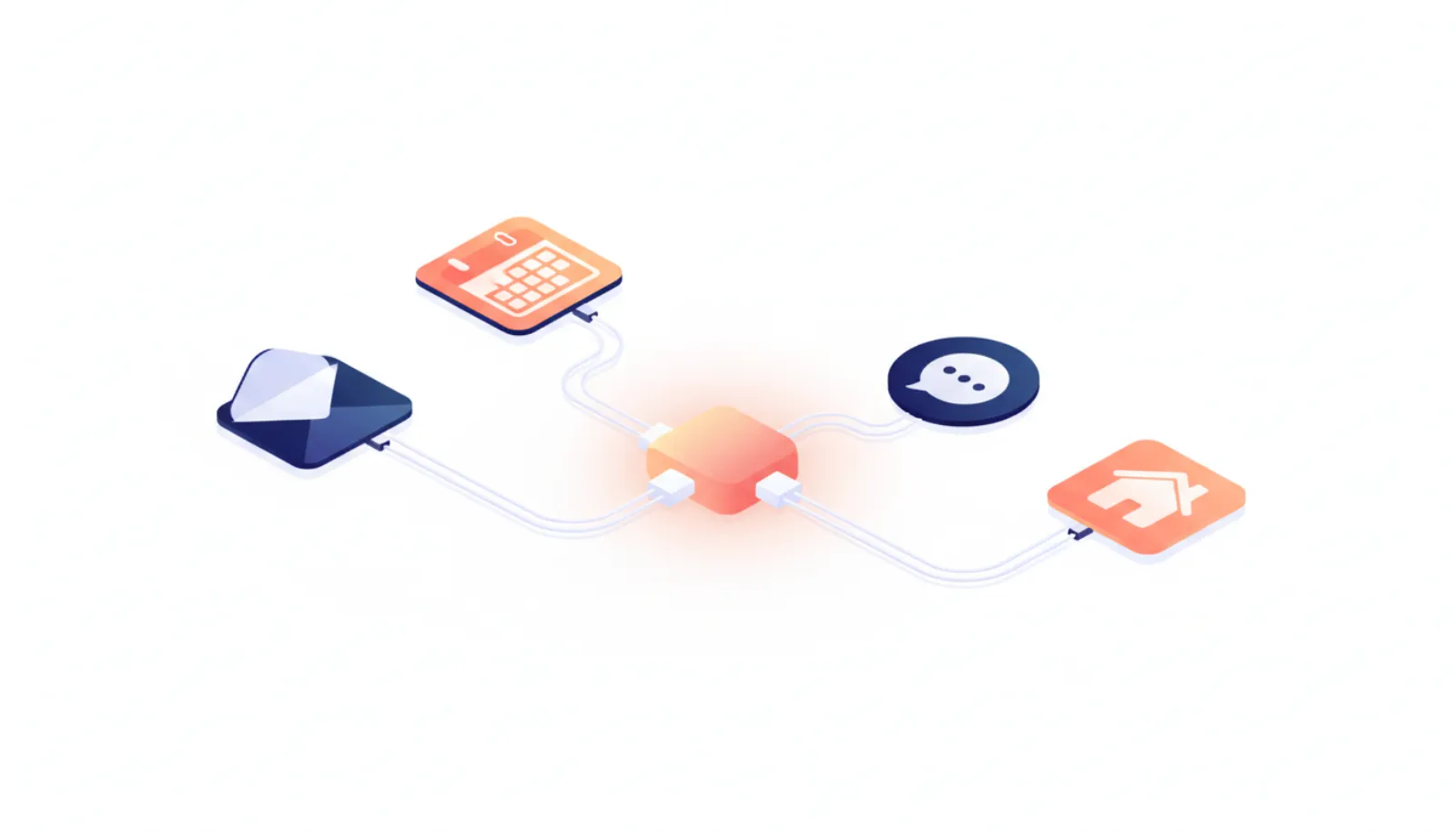
Agents reach your apps in two ways:
- Connectors: pre-built integrations, often built on the open MCP standard. Duet has 6,000+, dots 4,000+, and Grok Bot adds 1,000+ through a Composio plugin. They are fast and structured.
- Computer use: the agent looks at the screen and clicks and types like a person. Slower and more fragile, but it works on any site. Grok Bot leans on this most.
Our MCP and connectors explainer goes deeper.
5. Memory
Memory lets an agent remember your preferences, people and ongoing work. Control varies widely:
- Muse: you can tell it to "forget" specific things.
- dots: memories come from ChatGPT and connected apps; individual memories cannot be viewed, edited or deleted, only reset with the dot.
- Duet: kept until you delete or reset; disconnecting an app does not erase what it learned.
- OpenClaw: plain Markdown and YAML files on your disk.
Memory is also an attack surface. Lab research called "MemGhost" (Zhang et al., arXiv, July 2026) showed one poisoned email can plant a persistent false memory, succeeding end to end 87.5% of the time on OpenClaw with GPT-5.4 in tests on mock users. Compare policies in agent memory and privacy compared.
6. The safety layer
- Muse: Sentinel, a separate service, returns allow, deny or ask for every connector action and network request.
- Duet: a separate action-check classifier runs outside the model; paying, deleting an order and creating an account always need approval; trading securities and moving money between accounts are blocked even with approval (Claude).
- dots: auto-review plus user-written Custom Rules (OpenAI).
- Grok Bot: Allow once, Deny or Always allow, with model-based Auto Review.
- OpenClaw: whatever you configure.
See agent approval rules compared for the full matrix.
How do agents handle passwords and payments?
Hosted agents try to keep secrets away from the model:
- Surrogate tokens and proxies. Muse's agent sees only stand-in tokens that Sentinel swaps for real ones at the network edge. Duet "never sees your passwords, browser cookies, or the sign-in tokens."
- Takeover. Grok Bot and dots hand password, 2FA and CAPTCHA steps to you.
- Single-use cards. Muse and Duet buy with one-time virtual cards from Link by Stripe (Duet also supports Shop Pay), each limited to a merchant and amount.
Payment networks are building standards such as Google's AP2 signed mandates and the OpenAI and Stripe ACP spec. See AI agent payments explained.
How do websites know an agent is visiting?
Some agents identify themselves. Claude Duet sends a distinct User-Agent and Anthropic publishes its IP ranges. An IETF draft called Web Bot Auth lets agents sign their requests cryptographically so sites can verify the operator (IETF), and Cloudflare runs a "signed agents" category. Amazon cited Muse not identifying itself when it blocked Muse in September 2026.
Where can you reach your agent?
- In its own appMuse, Duet, Grok Bot and Spark all have dedicated apps
- In chat toolsdots in Slack and Teams, Team Bots in Slack, OpenClaw in a dozen apps
- By text or WhatsAppMuse on WhatsApp, dots texting in the US
- By emailGemini Spark and Grok Bot have their own email addresses
- On Xtag @bot or use X Chat for Grok Bot
smsaiagents.com's channel guide compares messaging options.
Why the design matters to you
The architecture decides the trade-offs. A cloud computer means 24/7 work but a company holding your access. Self-hosting means control but security is on you, as OpenClaw's record shows. Strict outside-the-model checks reduce prompt injection risk without eliminating it. Knowing the parts helps you pick an agent and set it up safely; start with what is a personal AI agent if you are new.